Reading a Recipe Before You Cook: The Case for Mise en Place
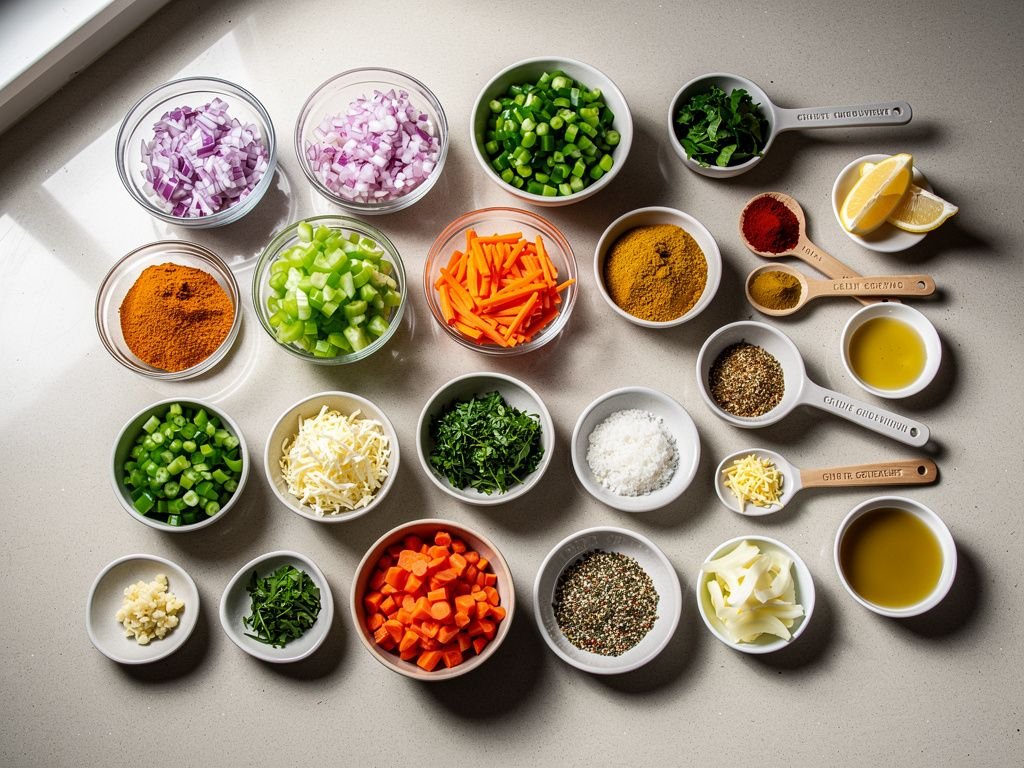
Mise en place, a French term meaning everything in its place, describes the professional kitchen practice of measuring, chopping, and organizing every ingredient before turning on a single burner. Home cooks often skip this step, reading a recipe only as far as the next line while something is already cooking, and that habit is responsible for a large share of kitchen disasters.
The first and most important step is reading the entire recipe from start to finish before doing anything else, including checking the total time required and any steps that need advance preparation, like marinating meat overnight or soaking beans. A recipe that looks like a quick thirty-minute dinner can turn out to require four hours of unattended braising, or a step near the end that assumes a piece of equipment you do not own, and it is far better to discover that before you have already started than halfway through.
Once you understand the full arc of the recipe, gather every ingredient on the counter and check quantities against what you actually have. This single step catches the single most common kitchen failure: starting to cook and discovering you are out of a key ingredient only after you are already committed, at which point substituting on the fly under time pressure rarely goes well.
Measuring and prepping ingredients in advance matters especially for any recipe with fast-moving steps, such as stir-fries, risottos, or pan sauces, where there is no time to stop and chop an onion once the pan is hot. Even for slower recipes like a braise, having ingredients pre-measured means you are not scrambling to find a measuring spoon with sauce simmering unattended.
Organizing prepped ingredients into small bowls, sometimes literally called mise en place bowls in professional settings, also helps you track what has and has not gone into the dish yet, which matters more than it sounds for anyone who has ever wondered halfway through cooking whether they already added the garlic.
Beyond ingredients, mise en place extends to equipment. Pull out the pans, sheet trays, and tools a recipe calls for before starting, and preheat the oven early enough that it reaches temperature exactly when the food is ready to go in, rather than discovering the oven needs another ten minutes once everything else is done.
This kind of preparation takes real time upfront, often as much as the active cooking itself, which is part of why many home cooks skip it when rushed. But the time is rarely wasted; it is simply moved from a high-pressure moment mid-recipe, when a mistake is costly, to a calm moment beforehand, when a mistake is easy to fix.
Developing the habit of mise en place, even in a simplified form for weeknight cooking, tends to produce calmer, more confident cooking sessions and noticeably fewer burnt garlic or overcooked pasta disasters, because most of the decisions and discoveries have already happened before the heat goes on.
More from the Journal
Choosing the Right Cooking Oil for Every Dish