Choosing the Right Cooking Oil for Every Dish
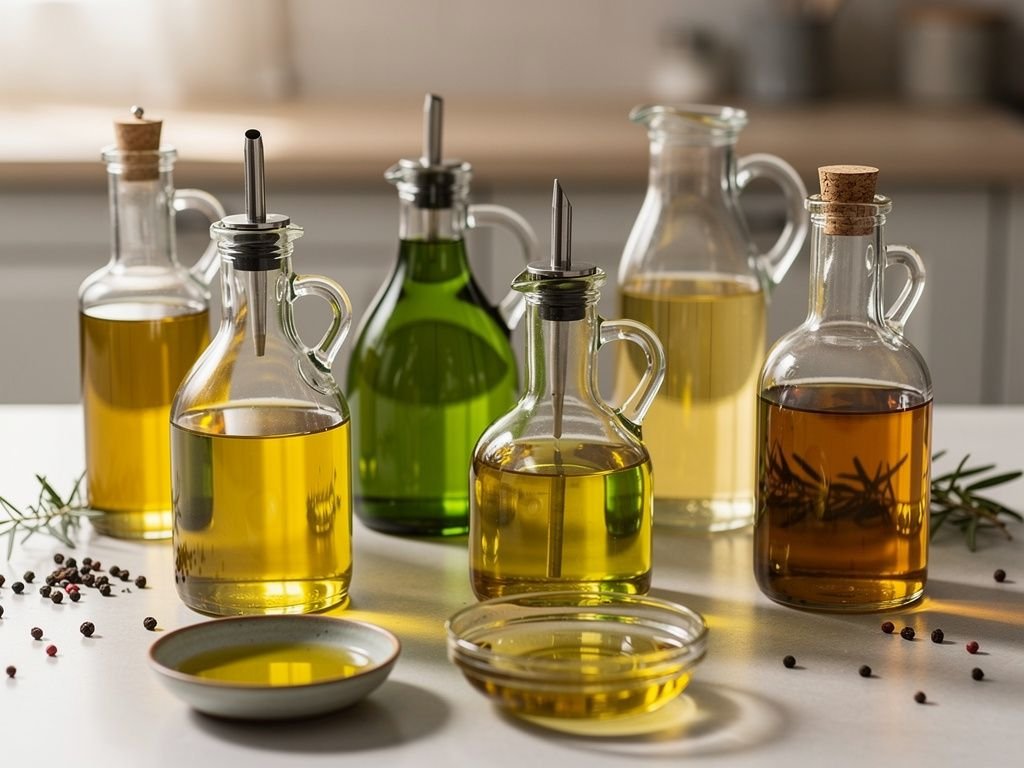
Walk down the oil aisle of any grocery store and the number of options can feel overwhelming, but choosing the right one for a given task really comes down to two properties: smoke point, the temperature at which an oil begins to break down and produce acrid, bitter compounds, and flavor intensity, how much the oil itself contributes to the finished dish.
Extra virgin olive oil has a moderate smoke point, generally cited between 350 and 410 degrees Fahrenheit depending on quality and freshness, and a distinct, sometimes peppery flavor. It shines in dishes where you want the oil to be tasted, such as drizzled over finished dishes, whisked into vinaigrettes, or used for gentle sauteing, but it is not the ideal choice for high-heat searing or deep frying, where its flavor compounds can break down and its cost makes it an inefficient choice in large volume.
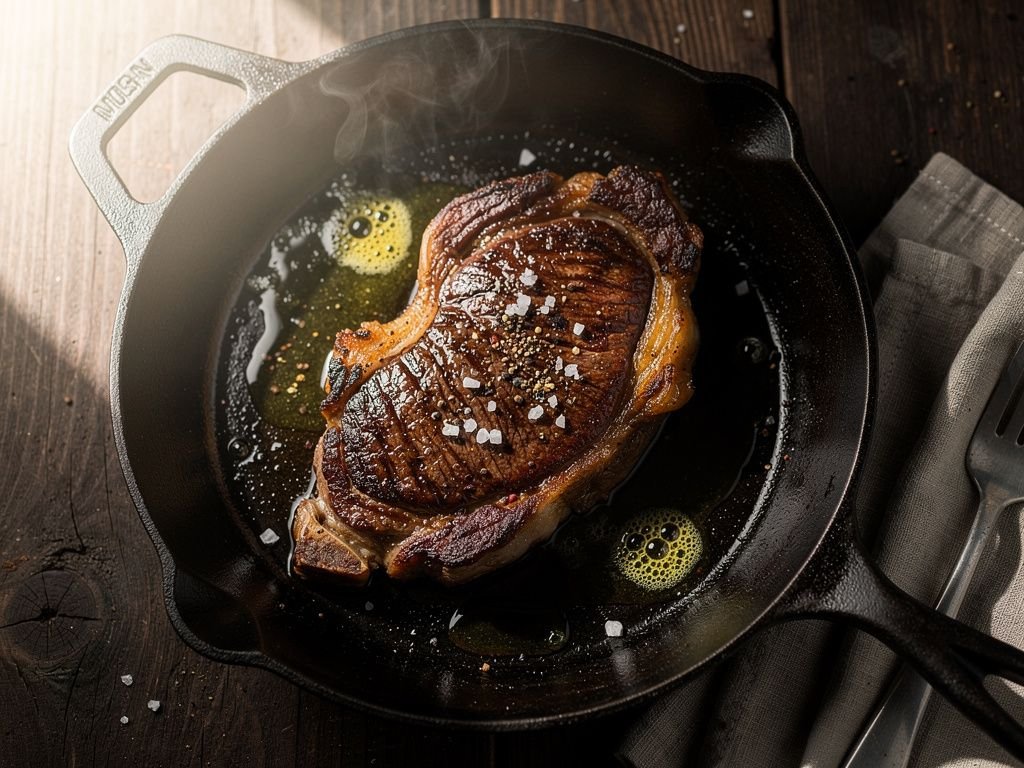
Refined vegetable oils, including canola, refined avocado, and grapeseed oil, have much higher smoke points, often 400 to 500 degrees Fahrenheit, and a neutral flavor that does not compete with other ingredients. These are the right choice for searing steaks, stir-frying, and deep frying, where high, stable heat matters more than the oil contributing flavor of its own.
Butter presents a special case. Its milk solids and moisture mean it has a relatively low smoke point around 300 to 350 degrees Fahrenheit and burns easily at searing temperatures, but its flavor is exceptional for finishing sauces, basting, and gentle cooking. Clarified butter or ghee, which has had the milk solids and water removed, raises the smoke point to around 450 degrees Fahrenheit, letting you get butter's flavor at higher cooking temperatures.
Coconut oil, high in saturated fat, is solid at room temperature and carries a distinct coconut flavor in its unrefined form, making it well suited to baking and certain Southeast Asian and Caribbean dishes where that flavor is welcome, but potentially out of place in a dish where you want a neutral fat.
Sesame oil, particularly the toasted variety, is intensely aromatic and has a low smoke point, which is why it is almost always used as a finishing oil added at the end of cooking rather than as the primary cooking fat. A few drops stirred into a finished stir-fry or dressing provides far more impact than using it to actually cook the food.
Beyond smoke point and flavor, fat composition affects health considerations and shelf stability. Oils high in monounsaturated fat, like olive and avocado oil, are more resistant to oxidation than those high in polyunsaturated fat, like many seed oils, meaning they last longer before turning rancid, particularly when stored away from heat and light.
A practical kitchen only needs two or three oils to cover nearly every situation: a good extra virgin olive oil for dressings and finishing, a neutral high smoke point oil like avocado or refined vegetable oil for high-heat cooking, and a toasted sesame oil for finishing Asian-inspired dishes. Building out from there is a matter of preference rather than necessity.