How to Season Cast Iron Properly (And Keep It That Way)
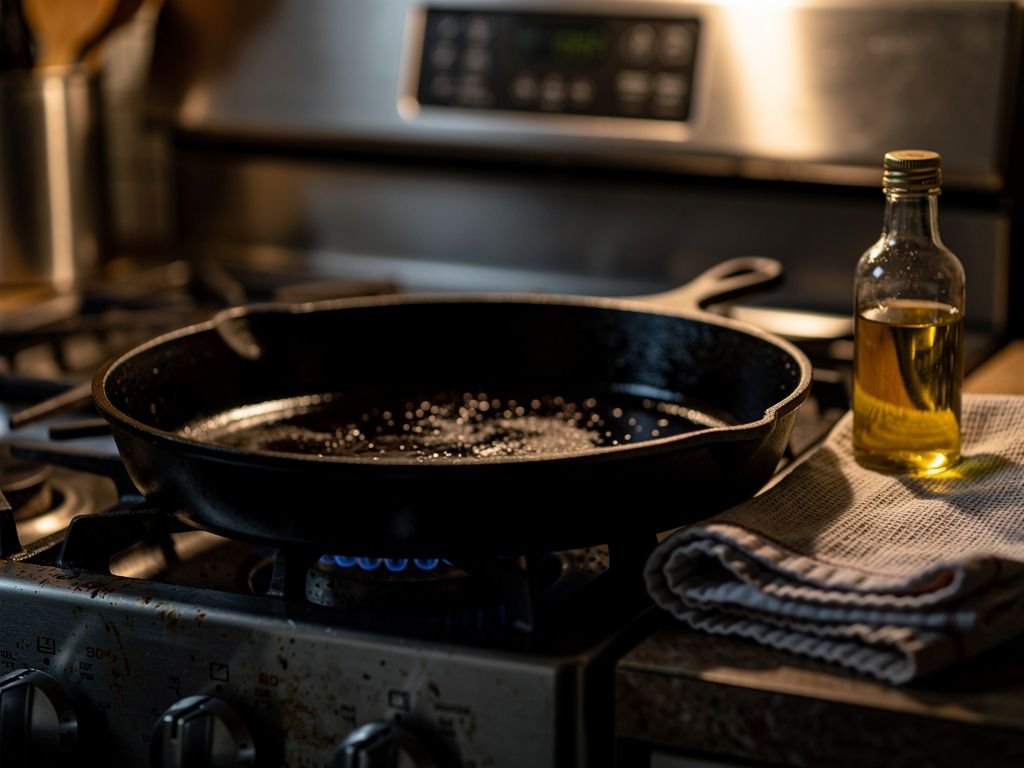
Cast iron cookware rewards patience. The nonstick surface everyone loves is not a coating applied at the factory, it is a layer of polymerized oil that you build yourself through repeated use and, when needed, an initial seasoning session at home. Understanding what seasoning actually is makes the whole process much less mysterious.
When oil is heated past its smoke point on a porous metal surface, it undergoes a chemical change called polymerization, forming a hard, plastic-like layer that bonds to the iron. Each time you cook with a little fat in the pan, you add a thin layer to that bond. Over months of regular use, those layers build into the deep black, glassy surface prized on well-loved skillets.
To season a new or stripped pan, start by washing it with warm water and a small amount of dish soap to remove any factory coating, then dry it completely on the stove over low heat. Once dry, rub a very thin layer of a high smoke point oil, such as grapeseed or refined vegetable oil, over every surface, including the handle and the outside. The word thin matters here: too much oil pools and turns sticky instead of hardening evenly.
Place the pan upside down in an oven preheated to 450 to 500 degrees Fahrenheit, with a sheet pan or foil on the rack below to catch drips, and bake it for about an hour. Let it cool in the oven. Repeat this process two or three times for a strong initial base before you start cooking with the pan regularly.
Once seasoned, the enemy of cast iron is not water, it is prolonged soaking and abrasive scrubbing that strips the seasoning layer faster than you can rebuild it. Wash the pan promptly after cooking with hot water and a stiff brush, using a small amount of soap only if necessary, then dry it thoroughly and immediately, ideally by returning it to low heat on the stove for a minute or two.
A light film of oil wiped on after drying keeps the surface from flashing rust, especially in humid kitchens. If you do see light surface rust, it is not a disaster: scrub it off with steel wool, wash, dry, and re-season that spot before it spreads.
Cooking acidic foods like tomato sauce for extended periods can also break down seasoning over time, so it helps to reserve a well-seasoned pan for searing, frying, and general sauteing, and to use a stainless or enameled pot for long-simmered acidic sauces until your seasoning is well established.
With consistent care, a cast iron skillet becomes more nonstick with every year of use rather than less, which is part of why so many home cooks pass them down as heirlooms instead of replacing them.
More from the Journal
Choosing the Right Cooking Oil for Every Dish