How to Build a Better Weeknight Stir-Fry
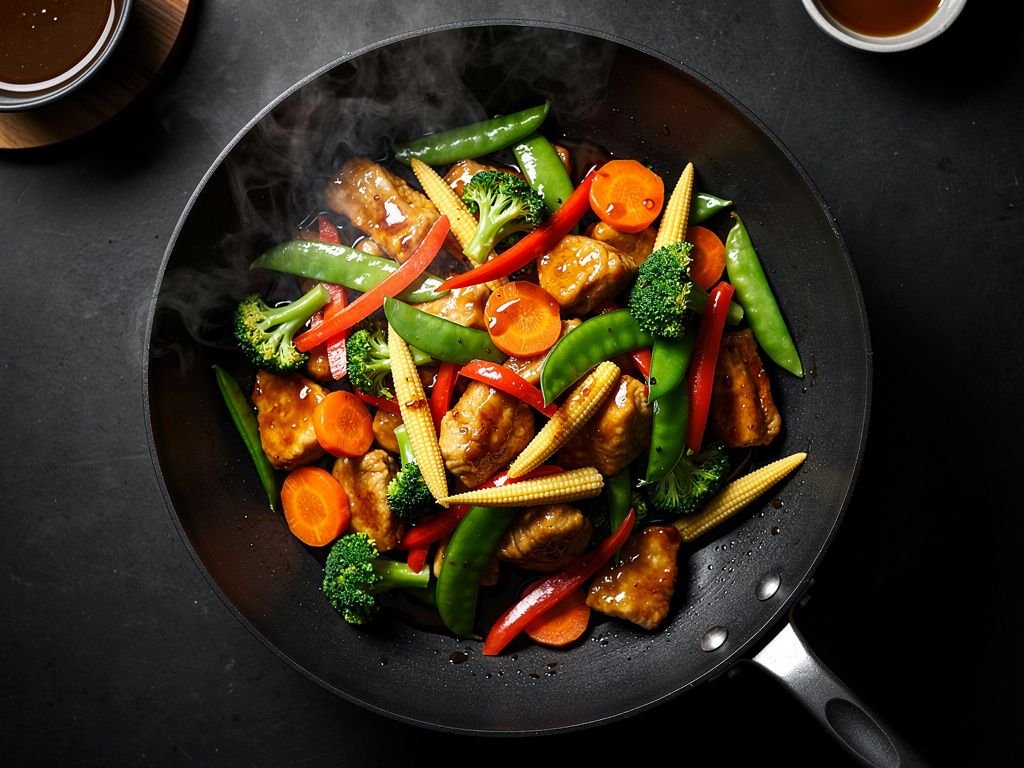
Stir-frying has a reputation for requiring a blazing restaurant burner, but the technique translates well to a home stovetop once you understand what actually goes wrong in most attempts: the pan is not hot enough, and too much food is added at once, which drops the temperature further and causes steaming instead of searing.
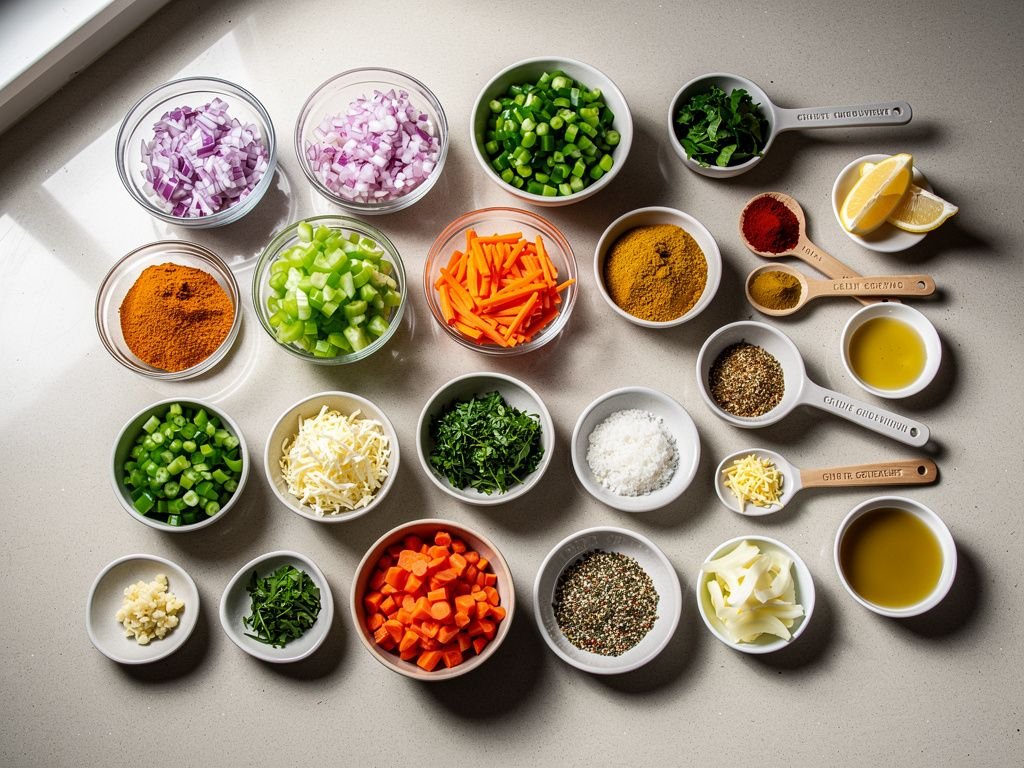
Before any heat touches the pan, every ingredient should be cut, measured, and within arm's reach, because a stir-fry moves too fast to stop and chop mid-cook. This includes the sauce, which should be mixed in a small bowl in advance, typically a combination of soy sauce, a small amount of sugar, rice vinegar or Shaoxing wine, and a cornstarch slurry to help it cling to the food at the end.
Heat your pan, whether a carbon steel wok or a wide stainless or cast iron skillet, over high heat for a full two to three minutes before adding any oil. The pan should be hot enough that a drop of water flicked onto the surface skitters and evaporates almost instantly. Add a high smoke point oil like peanut, avocado, or refined vegetable oil just before the food goes in, not earlier, so the oil does not have time to break down.
Protein goes in first, in a single layer, and should be left undisturbed for thirty to forty-five seconds to develop a sear before you start moving it. Overcrowding the pan is the most common mistake here; if you are cooking for more than two people, cook the protein in two batches and set it aside rather than crowding it all in at once, which drops the pan's temperature and causes gray, steamed meat instead of browned, seared pieces.
Vegetables go in roughly in order of how long they take to cook: harder vegetables like carrots and broccoli stems first, followed by bell peppers and onions, and finally quick-cooking items like snap peas, bean sprouts, or leafy greens added in the last minute. Keep the food moving with a spatula or wok tool, but not so constantly that nothing has contact time with the hot pan surface long enough to sear.
Return the cooked protein to the pan, add aromatics like minced garlic, ginger, and scallion whites near the end rather than the beginning, since they burn quickly over high heat, and cook them for only about fifteen seconds before adding the sauce.
Pour the sauce around the edges of the pan rather than directly on top of the food, which lets it hit the hot metal and thicken immediately from the cornstarch, then toss everything together for another thirty seconds until every piece is coated and glossy.
Serve immediately. Stir-fry is a dish where the gap between finished and overcooked is measured in seconds, and it does not hold well, so have rice or noodles already cooked and waiting before the pan ever gets hot.
More from the Journal
Choosing the Right Cooking Oil for Every Dish